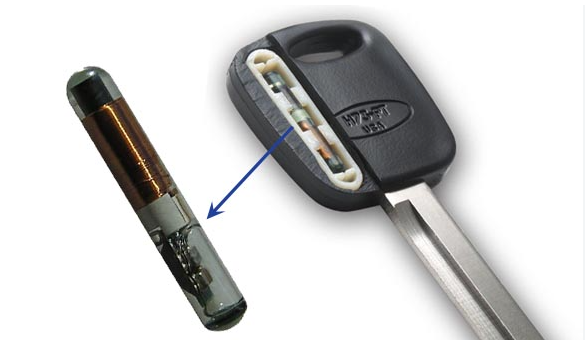
Car keys combine mechanical parts, electronics and, in many modern vehicles, sophisticated transponder chips. Over time, physical wear or internal component failure can prevent your vehicle from starting or locking correctly. Identify your issue below to get started.
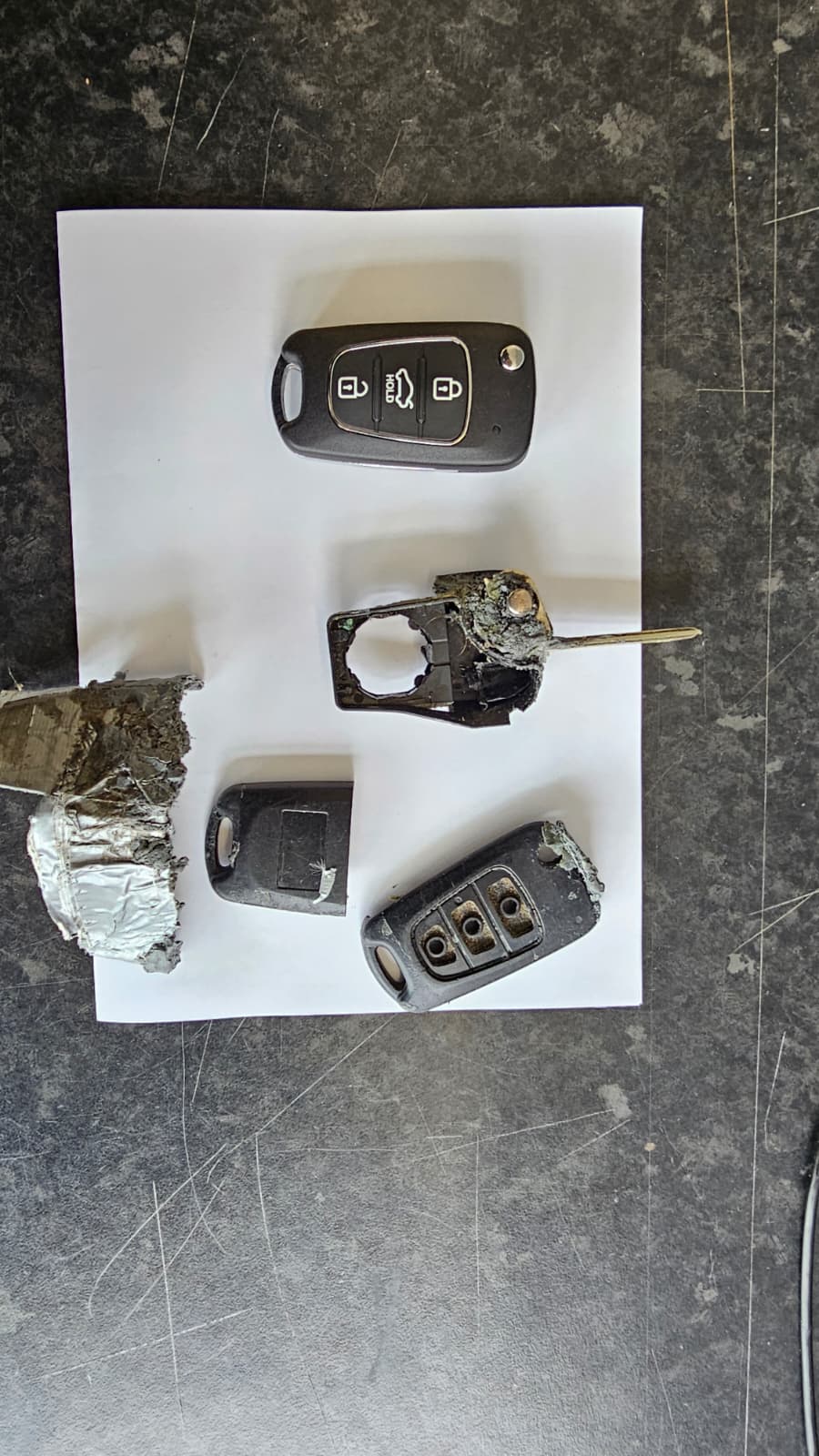
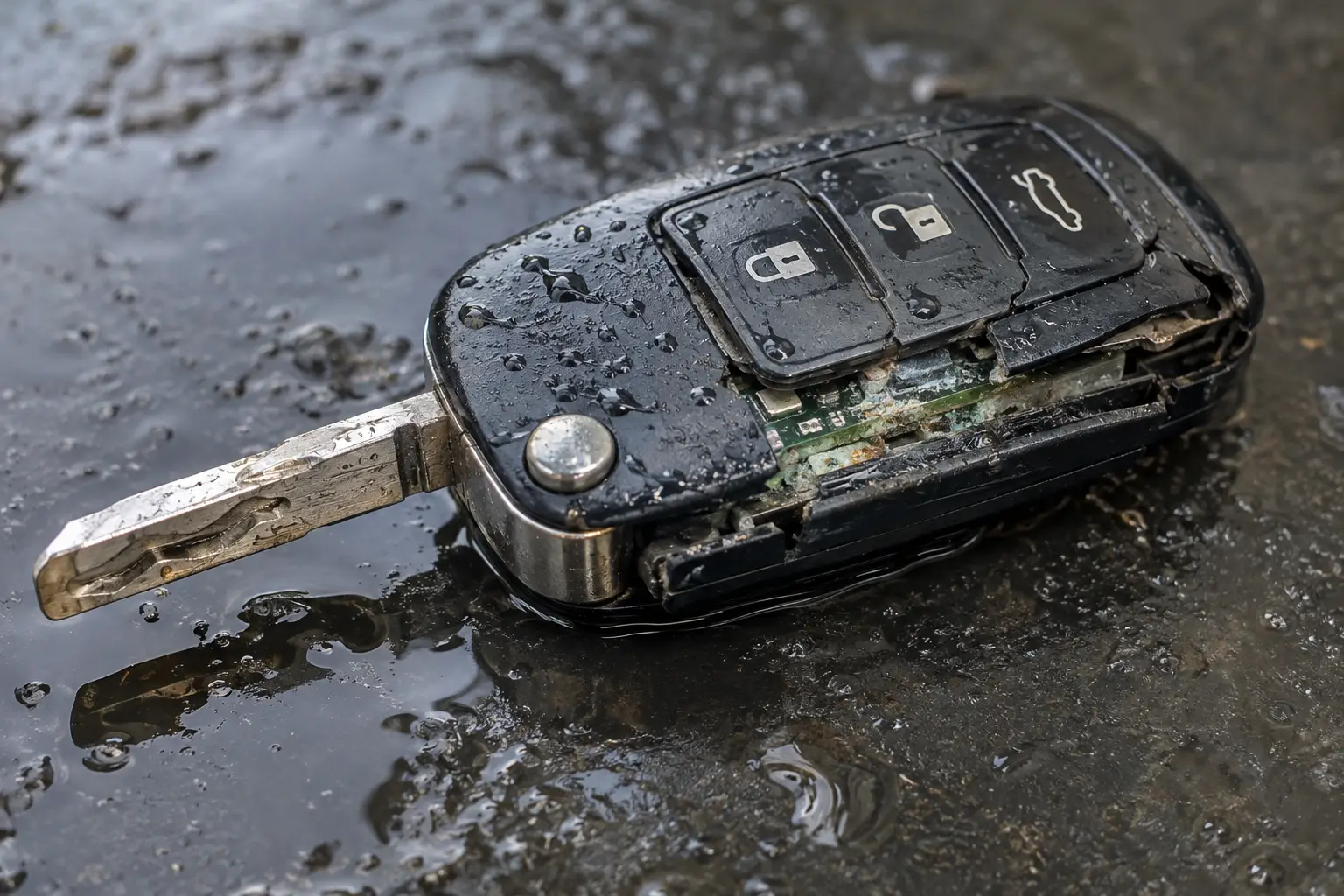
Cracked, broken or badly worn key shells can leave internal transponder chips and circuit boards exposed to liquid, dust, and further mechanical damage.
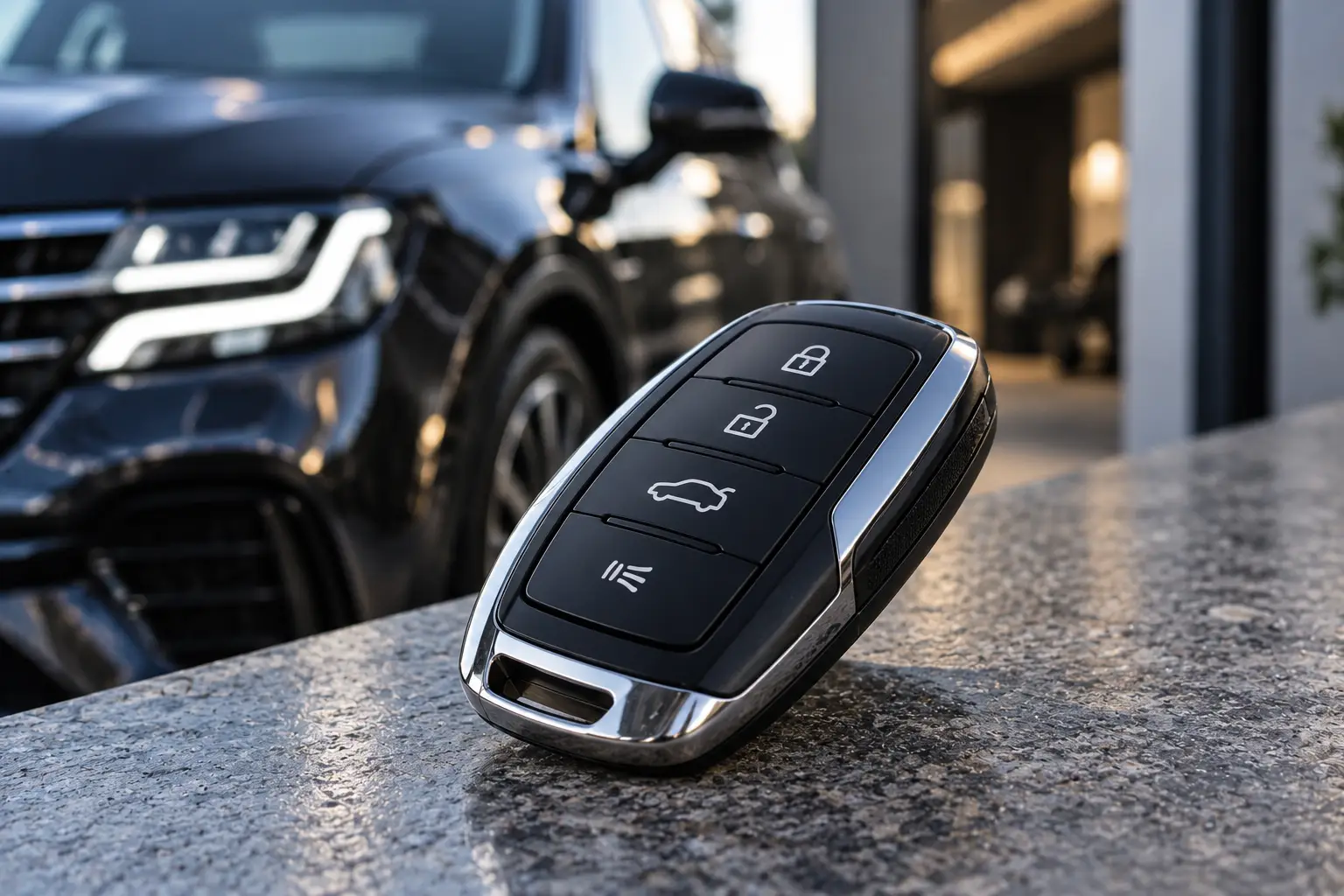
Worn, damaged or unresponsive buttons fail to send correct locking or unlocking signals, often requiring micro-switch repairs or internal circuit testing.
A damaged folding mechanism prevents the blade from locking in place or snapping open correctly, making it highly difficult to insert into the ignition safely.
A worn, bent or damaged blade fails to turn smoothly in manual door locks or ignition barrels, risking permanent mechanical cylinder jams.
If the key works inconsistently, it could stem from weak batteries, desoldered circuit board contacts, or a failing transponder that needs realignment.
Keys affected by liquid, drops, or crushing require diagnostic equipment to test transponder frequency and recover essential immobiliser data.